

Projects
Current Projects
Restorative Economic & Workforce Development Projects

Assessing Broad-based Outcomes of Place-Based Innovation through NSF Engines
Alongside New Growth Innovation Network, Dr. Sarah Crane is co-leading this NSF-Funded research focused on community engagement in innovation-based economic development. This work resulted in a framework for developing broad-based outcomes and community engagement in regional innovation ecosystems, such as the NSF Engines. Through this project Dr. Crane lead the stakeholder engagement, research and report development, featuring The Florida Semiconductor Engine and the North Carolina Regenerative Medicine Engine. The final report is available here.

Opportunity Youth Strategic Data Initiative
Restorative Economics Group is supporting Healing Centered Restorative Engagement in partnership with Detroit Employment Solutions Corporation Youth Division to strengthen how Detroit supports opportunity youth.
Through stakeholder engagement and surveys, this work identifies effective practices, gaps in coordination, and opportunities for stronger alignment across organizations. Grounded in a locally defined understanding of opportunity youth, the initiative connects lived experience with systems-level data to inform more coordinated, evidence-informed strategies.
The result is a strategic data framework that supports better decision-making, stronger partnerships, and more effective delivery of services for youth across the city.
Manufacturing Ecosystem Engagement & Workforce Strategy
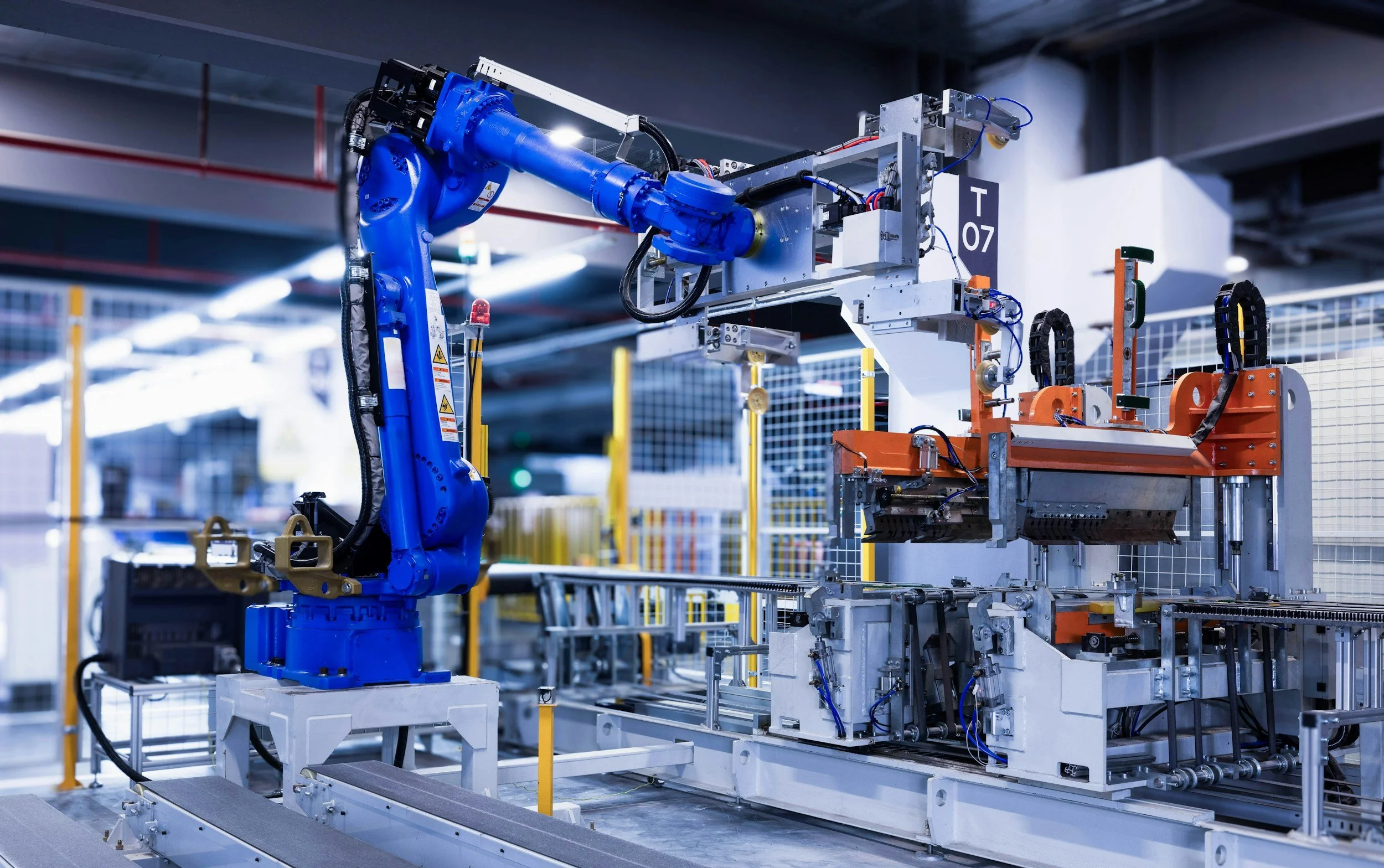
In partnership with Mechanism, Restorative Economics Group is supporting regional manufacturing ecosystems through stakeholder engagement with manufacturers, workforce partners, and community organizations to better understand the conditions needed for long-term resilience. This work examines how roles, expectations, and investments are distributed across stakeholders—and where misalignment creates barriers to workforce development, retention, and community integration.
Grounded in these insights, the initiative translates findings into actionable toolkits for both manufacturers and community partners, outlining practical strategies to strengthen collaboration, align training and workforce pipelines, and support more sustainable, community-connected manufacturing systems.
Economic & Programmatic Impact

Small Business Programming Evaluation
Restorative Economics Group lead a multi-phase evaluation of the Kalamazoo Micro-Enterprise Grant Fund (KMEG) and the Kalamazoo Small Business Loan Fund (KSBLF) to assess their impact on entrepreneurs and the broader community for United Way of South Central Michigan. Our team provided detailed analysis of program investment data to identify past trends and future opportunities. Alongside this quantitative analysis, our team facilitated community conversations that center recipient lived experiences and highlight both direct and ripple effects of these programs. This work is designed not only to evaluate program impact but also to support future investments and partnerships that foster regional economic development. The final deliverable is synthesized findings from both the investment data and community conversations for a comprehensive, actionable report.

Local Rodeo Economic Impact Analysis
Events can be an important driver of economic outcomes in rural communities. Led by Eli McClain, our team is working with the Upper Peninsula Championship Rodeo in Iron River, Michigan to assess their impact in the region over the next two years.

Strategic Data to Inform Decision Making
Dr. Crane supported the Economic Development Corporation at the City of Kalamazoo in advancing the implementation of its economic development strategy through facilitation of a strategic board retreat and development of actionable next steps. This work focused on strengthening the EDC Board’s role in strategic governance, aligning priorities with measurable outcomes, and translating high-level goals into clear metrics and decision-making tools.
The resulting framework included recommendations for a strategy-aligned data dashboard, clarified roles across the economic development ecosystem, and established pathways for ongoing tracking, transparency, and accountability in driving economic growth.
Justice-Impacted Program Evaluation

19th District Veterans Treatment Court: Program Evaluation Report
Dr. Jessica Camp provided in-depth program evaluation for the 19th District Veterans Treatment Court in Dearborn, Michigan in this report. Through robust statistical measurements, Dr. Camp tracked the progress of the participants and the impact of the program. Dr. Sarah Crane led the translation of the report into actionable findings for the client in 2024, 2025, and 2026.

19th District Court Hybrid DWI and Drug Treatment Court: Program Evaluation Report
Dr. Jessica Camp conducted a comprehensive program evaluation for the 19th District Hybrid Drug and Domestic Treatment Court (HDDTC) in Dearborn, Michigan, as detailed in this report. Dr. Camp evaluated participant progress, providing critical insights into the program’s overall effectiveness and long-term impact on individuals. Dr. Sarah Crane worked alongside Dr. Camp to translate the findings into digestible and informative insights for the program in 2024 and 2025.
Past Projects
Our collaborative team brings decades of experience in both practical projects and robust research. Below are links to publicly available projects that were either led or supported by our team of experts. Each project notes the sponsor and location of the work conducted.
Economic Opportunity & Pathways

An Inclusive Entrepreneurial Support Framework: A trauma-informed care approach to supporting entrepreneurs
Dr. Sarah Crane led this project highlighting the impact of trauma on entrepreneurs while at the University of Michigan, with Co-PIs Dr. Trina Shanks and Dr. Jessica Camp. This research included a framework for a trauma-informed care response, informed by partnerships with 7 entrepreneurial support organizations. This important work was funded by E.M. Kauffman Foundation. To download see the report, click here.

Interweaving Equity in Place-based Economic Development Programs: An early analysis of equity within the Build Back Better Challenge Awardees
As lead author on this project with the U.S. Department of Commerce Economic Development Administration, Dr. Sarah Crane engaged with 21 placed-based economic development programs to document the integration of equity in real-time within these newly funded ventures, while at the University of Michigan. See the report here.

The Three Spheres of Equity in Workforce Development Programs: An early analysis of equity within the Good Jobs Challenge programs
While at the University of Michigan, Dr. Sarah Crane researched and developed a framework for equity in the Good Job Challenge grantees, who are funded by the U.S. Department of Economic Development Administration. See the most recent report here.
Industry-related Analysis

Understanding the Middle-Skill Workforce in the Connected and Automated Vehicle Sector
Through interviewing more than 60 auto manufacturers, Dr. Sarah Crane, alongside Steve Wilson, at the University of Michigan Economic Growth Institute identified key workforce skillsets in the CAV industry and created a roadmap for future occupations. This work was funded by American Center for Mobility. To download the report, click here.

Clean Energy Technology Adoption Roadmap: An overview of the adoption of clean energy technologies within Michigan manufacturing
As lead author on this project with the State of Michigan Department of Environment, Great Lakes, and Energy, Dr. Sarah Crane and Dr. Lucia Farriss engaged with over 30 Michigan manufactures. This report identifies the clean energy technology adoption (CETA) roadmap and value chain related to energy and process efficiencies, while at the University of Michigan. See the report here.
Past Economic Analyses

Comprehensive Economic Overview: Grundy County
A team of researchers, led by Dr. Sarah Crane at the University of Michigan Economic Growth Institute, worked with economic development professionals in Grundy County, Illinois, to develop a comprehensive overview of their community, including understanding the economic impact of a local nuclear plant. The report is available here, under “Economic Analysis.”

Understanding Tourism Impacts in the Western U.P.
With a team of researchers and local leaders, Eli McClain and Dr. Sarah Crane provided economic analysis of tourism in six counties in Michigan’s Western Upper Peninsula. This report informed local decision-makers on funding priorities and strategic investments. See the report here.

National Economic Impact Study of the Camp Industry
The research team at the University of Michigan Economic Growth Institute collected industry data and created the first national overview of the camp industry. Eli McClain developed a robust survey and collected data on more than 20,000 camps. Dr. Crane developed the economic impact analysis (EIA) model at the national and state levels (a total of 51). Together they created a report (view it here) and worked with the ACA team to train local state camp leaders on sharing the findings of the EIA.